


The descent into Kibiro on Lake Albert, tucked beneath a steep escarpment, feels almost magical. The sunlit waters seem to blend endlessly with the sky, creating a breath-taking scene. This enchanting beauty welcomes visitors to Kibiro, famed for its salt mines and hot springs.
Further steps into Kibiro give away some of its secrets: the humble houses scattered between the lake and the escarpment come into full view.
My guide, Stuart Byakagaba, describes them as a settlement for the salt miners and fishermen who live here. The houses, some of which are constructed out of mud and wattle, are perilously bent and appear one storm away from crumbling. What catches the eye more than anything else is Kibiro Primary School with sturdy buildings at the heart of the scheme of moulding young souls for the future.
In a way, Kibiro is abundantly blessed. It has water, some of which local residents do not know what to do with. There is water in the lake, even hot water in the hot springs that is used to treat different ailments, especially skin diseases.
Byakagaba says that some people come to Kibiro on stretchers but go back to their homes with a spring in their walk, fully healed. This is attributed to the presence of minerals in the hot springs, which provide the healing powers to Kibiro.
Kibiro looks like a place that is trapped in the past. This is because of a tradition where women mine salt and have to pass the skill to their daughters.
“I learnt how to mine salt from my mother when I was about 10 years old,” says Aldine Mbabazi, adding that when she dropped out of school, she did not look far for employment.
Mbabazi, who is currently a mother of three, took up salt mining for a living, and she has never looked back. “Salt mining helps me to put food on the table and also buy all my necessities, such as clothes.”
In a good month, I can earn up to Shs100,000 when the price for salt is good and clients come from as far as Hoima, which is 35 kilometers away.
The fleet-footed Mbabazi kept on prancing back and forth as she laboured to get water and soil. In a short time, she set up her workplace, and later I learnt that she does not take salt home to show for a day’s hard work. She carries salty water, which is boiled to make salt.
From soil to the plate
Kibiro is gifted with saline soil, which is the chief raw material for making salt. This is what the local residents call salt gardens, from where they dig and collect soil for the processing of salt.
As Mbabazi goes about her routine work, she puts the saline soil in a saucepan and then adds water. The water penetrates the soil and dissolves the salts, later trickling through the holes at the bottom of the source pan. The water containing the salts is collected in a clean saucepan and taken home for cooking in a process where water evaporates, leaving behind the salt in the saucepan. This is dried in sunlight, and the salt is ready for the market.
In some cases, Mbabazi, like many other women, does not sell the salt for money. She engages in barter trade in which traders in foodstuffs from Kigorobya exchange it for salt. Kibiro looks barren and does not support growing crops. Therefore, the locals depend on the outside world.
As the women work in the mines, the men stay home to take care of the children and other household chores.
One thing I am curious about is how women convince the men to stay home to look after the homestead. At Kibiro, not all soil is saline (contains salt). How did the people discover the saline and the process of removing salt from the soil?
As I move to get the answers, I realise that I am venturing into the world of the unknown. In this case where history was not written, the word of mouth, which has been handed down across many generations, creates the big difference.
The LC1 chairperson for Kibiro, Patrick Abitegeka, asked why men have agreed to stay at home; he had this to say: “Who can go against a long-standing tradition?”
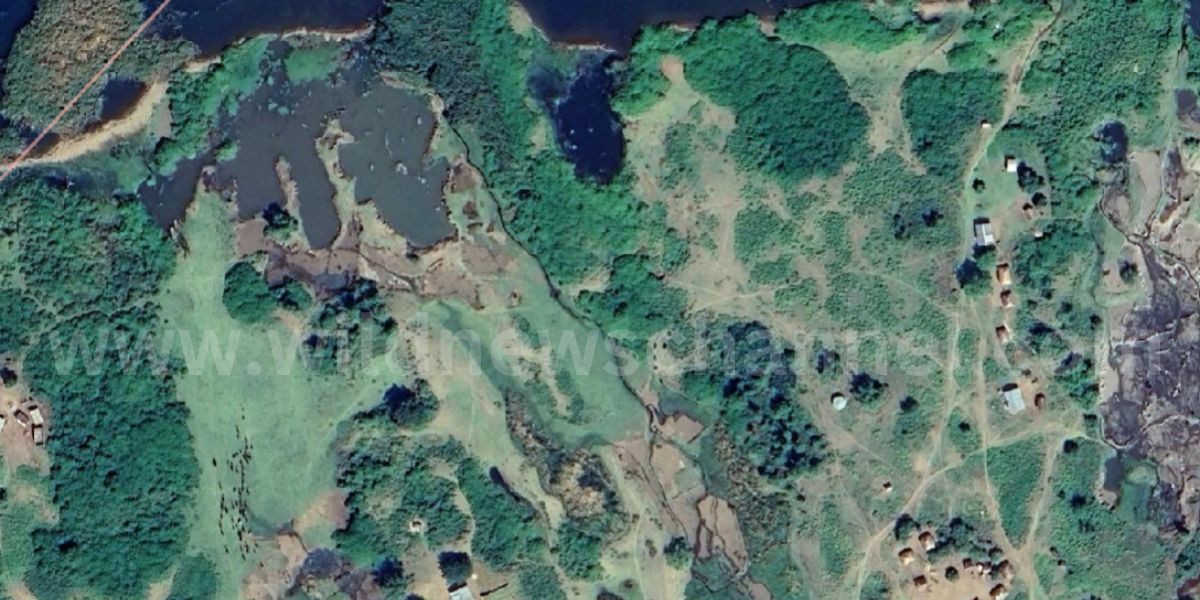
He says legend has it that a man named Nyasimba was told in a dream that salt would rise from underground and that the first person to taste it should be a woman. This is described as a divine call that women should be the only ones allowed to extract salt, with men facing punishment if they do so.
Abitegeka also says that Kibiro was previously a forest where hunters camped and later discovered the salt mines and hot springs.
Whether this is true or not, one thing for sure is that salt mining started centuries ago. This provided tax revenue, which was the lifeblood of the Bunyoro-Kitara Kingdom, which existed for 900 years.
The Bunyoro Kitara Kingdom covered western Uganda, central Uganda, parts of eastern DR Congo, and northern Tanzania, popularly referred to as Karagwe, and Kisumu in western Kenya.
Given that salt mining by women is a tradition and has bathed in indigenous practice, Kibiro’s prowess cannot be ignored. Since 1997, the government has recognised Kibiro for its unique, long-standing salt production methods, which are almost exclusively carried out by women.
However, studies have been pending to connect the dots and to drive the subsequent processes to protect Kibiro as a World Heritage site until recently. In 2025, Kibiro was added to the tentative UNESCO list.
Earlier studies by the government encountered archaeological remains, including human skulls and bones. Others include pottery, meaning that Kibiro has been active for about 900 years.
Uganda has three World Heritage Sites, namely Bwindi Impenetrable National Park and Rwenzori Mountains National Park, which are natural sites gazetted in 1994. The third is the cultural site: the Tombs of Buganda Kings at Kasubi in Kampala, which was recognised in 2001.
According to Jackie Nyiracyiza, the Commissioner for Museums and Monuments at the Ministry of Tourism, Wildlife and Antiquities (MTWA), the recognition of sites as UNESCO sites helps to keep the links with the past and protect heritage sites, a responsibility of humanity. It also enhances the tourism prospects of the site.
At Kibiro, plans are under way to construct washrooms, a catering centre, a reception centre and accommodation, according to Abitegeka. “We get people, especially school students, who come for fieldwork at Kibiro,” says Abitegeka, adding that they also get an average of three tourists every week.
At the end of the day, people at Kibiro and the government should not forget that tourism is an experience. There is a need to sell the natural gifts of Kibiro and its intangible values. In addition, there are lots of things that can be done on Lake Albert as well as the steep escarpment. This will keep visitors longer and earn more for the locals.
Kibiro is facing challenges as trees are cut down to process salt. In addition, the youth who are not engaged in salt mining and fishing have resorted to charcoal burning for sale in the nearby urban centres, including Hoima City.
As a result of the changing climate, the rising levels of Lake Albert are already hitting home, and one big salt garden has gone under water after being swallowed by the expanding lake.
How to get there
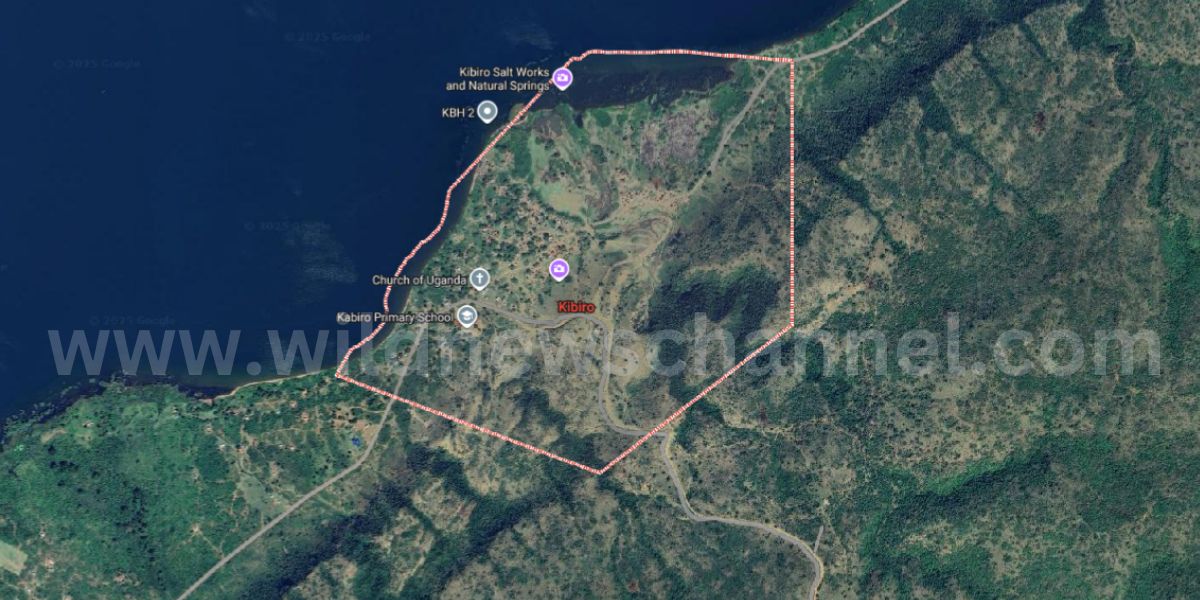
Kiboro is located about 200 kilometres west of Kampala and 35 kilometres from Hoima. It can be accessed by road but with a strong four-wheel vehicle and sound brakes. Hiking to the bottom of a very steep escarpment is an option. Kibiro can also be accessed via Lake Albert.